
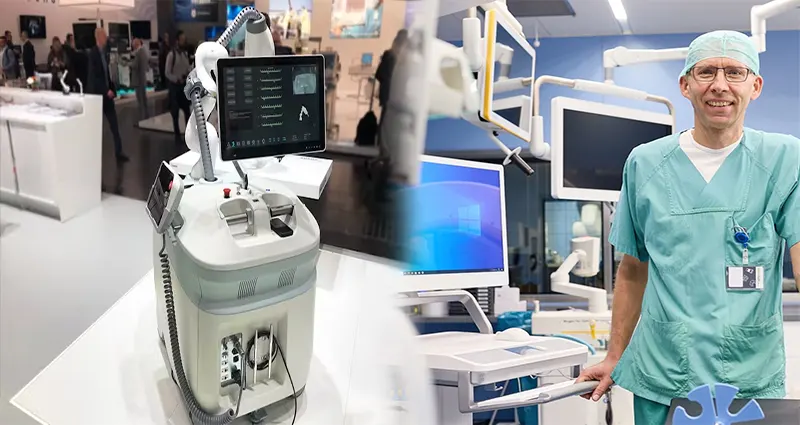
In today’s rapidly advancing medical industry, technology plays a crucial role in improving patient care, enhancing efficiency, and maintaining sterile environments. One important piece of technology that healthcare facilities must carefully select is fanless medical computers. These specialized computers are designed to operate silently and efficiently without the need for internal cooling fans, making them ideal for use in sterile environments such as operating rooms, ICUs, and clean rooms.
Why Fanless Medical Computers are Essential
The primary reason why fanless medical computers are essential for sterile environments is their ability to prevent the circulation of airborne particles and contaminants. Traditional computers with internal cooling fans can suck in dust, dirt, and other pathogens, which can compromise the sterile conditions required in healthcare settings. Fanless computers eliminate this risk, contributing to a cleaner and safer environment for both patients and medical staff.
Furthermore, fanless medical computers are designed to be noiseless, which is particularly important in environments where noise can be disruptive, such as operating rooms and critical care units. Their silent operation ensures that healthcare professionals can focus on their work without distractions, promoting optimal patient care.
Key Considerations When Choosing Fanless Medical Computers
When selecting fanless medical computers for sterile environments, there are several key considerations that healthcare facilities should keep in mind:
- IP Ratings: Look for fanless medical computers with a high Ingress Protection (IP) rating to ensure resistance to dust and liquid ingress. A higher IP rating indicates better protection against environmental contaminants.
- Antimicrobial Coating: Opt for medical computers with antimicrobial coatings that help inhibit the growth of bacteria and pathogens on the surface of the device. This feature is essential for maintaining a sterile environment and ensuring patient safety.
- Durability: Choose fanless medical computers that are built to withstand the rigors of a healthcare environment. Look for rugged designs that can withstand frequent cleaning and disinfection without compromising performance.
- Compatibility: Ensure that the fanless medical computers are compatible with the software and systems used in your healthcare facility. Compatibility is crucial to ensuring seamless integration and efficient operation.
- Certifications: Check for certifications such as UL/cUL 60601-1 and EN 60601-1 to ensure that the fanless medical computers meet the necessary safety and quality standards for use in healthcare environments.
Choosing fanless medical computers for sterile environments is a critical decision that can significantly impact patient care and the overall efficiency of healthcare facilities. By selecting fanless computers that are designed to operate silently, efficiently, and securely, healthcare providers can create a safer and more productive environment for both patients and staff. Careful consideration of key factors such as IP ratings, antimicrobial coatings, durability, compatibility, and certifications can help ensure that healthcare facilities make the right choice when investing in fanless medical computers.

