
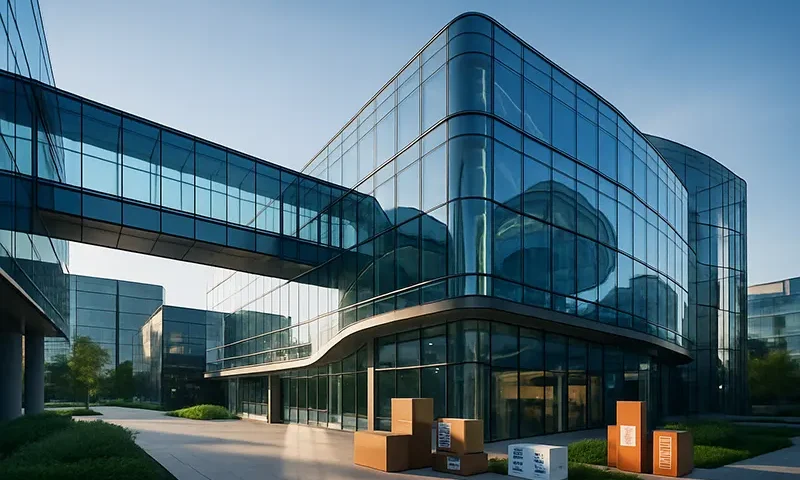
Glass has long been a defining material in contemporary construction, shaping how we create, experience, and interact with modern buildings. From sleek commercial facades to light-filled residential extensions, glass offers a combination of beauty, practicality, and structural versatility unmatched by many traditional materials. As architectural trends shift towards openness, sustainability, and energy-efficient performance, the demand for advanced glazing systems continues to grow.
The Evolution of Architectural Glass
For decades, glass was used sparingly in construction due to concerns around weight, fragility, and heat transfer. Today, new manufacturing techniques and engineering innovations have transformed what is possible. Modern architectural glass is stronger, safer, and more thermally efficient than ever before. Laminated, toughened, coated, insulated, and structural glazing systems allow architects to experiment with bold designs while still meeting essential performance requirements.
This evolution has driven the popularity of transparent and semi-transparent façades that blur the boundaries between inside and outside spaces, a design philosophy now central to many public, commercial, and residential projects.
Why Glass Plays a Central Role in Modern Architecture
One of the biggest advantages of glass in construction is its ability to maximise natural light. Human-centred design places a strong emphasis on wellbeing, and numerous studies show that daylight boosts mood, productivity, and overall comfort. For commercial buildings in particular, good natural lighting can significantly enhance workplace environments.
Glass also gives architects extraordinary creative freedom. Whether the aim is to create a minimalist exterior, a dramatic visual centrepiece, or a flowing transition between indoor and outdoor areas, modern glazing systems can be customised to support almost any vision.
Energy Efficiency and Sustainability
Sustainability has become a major consideration in building design, and advanced glass technology plays a key role in meeting these standards. Energy-efficient glazing systems reduce heat loss, prevent overheating, and help regulate indoor temperatures throughout the year. This reduces reliance on artificial lighting and mechanical heating or cooling systems, ultimately lowering energy costs and carbon impact.
Architects can also choose from a wide range of performance coatings that improve insulation, reduce glare, enhance solar control, or provide privacy—all without compromising aesthetics.
Glass in Commercial Buildings
In commercial construction, transparency and visual impact are often top priorities. Glass façades allow businesses to present a professional, modern image, while creating inviting and open interior environments. Retail outlets, office buildings, hotels, and civic structures all benefit from the combination of functionality and visual appeal that glass brings.
Large-scale glazing systems also help create landmark buildings, giving them a distinctive presence in urban landscapes. With the ability to integrate with steel, aluminium, and other structural materials, glass fits seamlessly into contemporary architectural styles.
Expanding Design Possibilities with Structural Glazing
Structural glazing represents one of the most innovative uses of glass today. This method allows large panes to be fixed directly to a building’s framework without the need for bulky frames, supporting the increasingly popular minimalist aesthetic. The result is a smooth, uninterrupted façade with clean lines and exceptional clarity.
This type of installation is particularly common in high-end commercial and residential projects, where the aim is to create a sophisticated, visually striking appearance while maintaining practical performance.
The Role of Curtain Wall Systems
In the later stages of building design, many architects turn to curtain walling as a practical yet elegant solution for large buildings. These systems are designed to be non-load bearing, meaning they support only their own weight while attaching securely to the main structural frame. This allows huge expanses of glass to be installed without compromising strength or stability.
Modern curtain walling solutions, such as those offered by businesses like Glass Plus UK, provide exceptional thermal efficiency, weather resistance, and design flexibility. These systems contribute significantly to the overall performance of a building, improving both its energy rating and long-term durability. They are also a popular choice for developers looking to achieve a contemporary, high-impact exterior that enhances natural light and creates a sense of openness.
By integrating advanced curtain wall systems into their projects, architects are able to achieve a balance between aesthetic ambition and functional excellence. These façades not only transform the appearance of a building, but also contribute to a more comfortable and energy-efficient interior environment.
As construction trends continue to evolve, glass will remain at the forefront of modern architectural design. Its unique ability to combine beauty, strength, sustainability, and practicality ensures it will play a pivotal role in future building innovations.

