
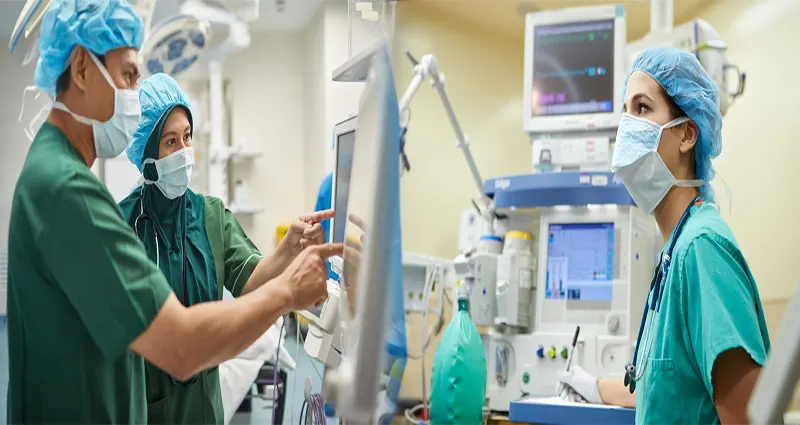
In the fast-paced and high-stakes environment of hospital operating rooms (ORs), technology plays a pivotal role in ensuring optimal patient care, operational efficiency, and healthcare provider productivity. Among the most critical technological investments in modern ORs are medical-grade computers, which offer a range of benefits that are tailored to meet the unique requirements of healthcare professionals and patient safety. Let’s explore the key advantages of utilizing medical-grade computers in hospital ORs:
1. Infection Control and Sanitization
Medical-grade computers are designed and built to withstand rigorous cleaning and disinfection protocols essential for maintaining a sterile environment in ORs. These devices are equipped with antimicrobial coatings, sealed front panels, and fanless designs that help prevent the spread of harmful pathogens and bacteria. By using medical-grade computers, healthcare facilities can adhere to strict infection control measures and minimize the risk of hospital-acquired infections among patients and medical staff.
2. Compliance with Healthcare Regulations
Healthcare providers operating in ORs are subject to stringent regulatory standards and data protection requirements aimed at safeguarding patient information and ensuring operational transparency. Medical-grade computers are purpose-built to comply with industry-specific regulations, such as HIPAA (Health Insurance Portability and Accountability Act) and FDA (Food and Drug Administration) guidelines. These devices offer advanced security features, encryption capabilities, and audit trails to support healthcare organizations in maintaining compliance and protecting sensitive patient data.
3. Seamless Integration with Medical Devices
In an OR setting where multiple medical devices and equipment are utilized simultaneously, interoperability and connectivity are paramount for streamlined workflows and accurate data management. Medical-grade computers are engineered to seamlessly integrate with a wide range of medical devices, such as imaging systems, surgical instruments, and patient monitors. By acting as a central hub for real-time data visualization and communication, these computers facilitate efficient coordination among healthcare professionals and enhance clinical decision-making during surgical procedures.
4. High-Performance Computing Capabilities
The demanding nature of surgical interventions necessitates the use of high-performance computing solutions to support complex medical imaging, data processing, and real-time visualization requirements. Medical-grade computers are equipped with powerful processors, high-resolution displays, and robust graphics capabilities that enable healthcare providers to access and analyze critical clinical information with speed and accuracy. This enhanced computing performance contributes to improved surgical outcomes, enhanced patient safety, and increased operational efficiency within the OR environment.
5. Ergonomic Design and User-Friendly Interface
Medical-grade computers are designed with the unique needs of healthcare professionals in mind, offering ergonomic features and user-friendly interfaces that enhance usability and workflow efficiency. These devices are equipped with features such as touchscreen controls, adjustable mounting options, and wireless connectivity to accommodate the diverse preferences and working styles of OR personnel. By optimizing user comfort and interaction, medical-grade computers help reduce operator fatigue, increase productivity, and promote overall satisfaction among medical staff.
6. Enhanced Communication and Collaboration
Effective communication and collaboration among surgical teams are essential for ensuring coordinated care delivery, minimizing errors, and optimizing patient outcomes. Medical-grade computers facilitate secure messaging, video conferencing, and telemedicine capabilities that enable real-time communication among healthcare providers within the OR and beyond. By fostering seamless collaboration and information sharing, these devices support multidisciplinary teamwork, enhance decision-making processes, and ultimately improve the quality of care delivered to patients undergoing surgical procedures.
The adoption of medical-grade computers in hospital operating rooms offers a multitude of benefits that are tailored to address the unique challenges and complexities of surgical environments. From enhancing infection control and regulatory compliance to supporting high-performance computing and ergonomic usability, these advanced computing solutions play a vital role in transforming OR workflows, maximizing efficiency, and elevating the standard of patient care. By leveraging the capabilities of medical-grade computers, healthcare organizations can enhance operational efficiency, reduce risks, and elevate the overall quality of surgical services provided to patients.

