
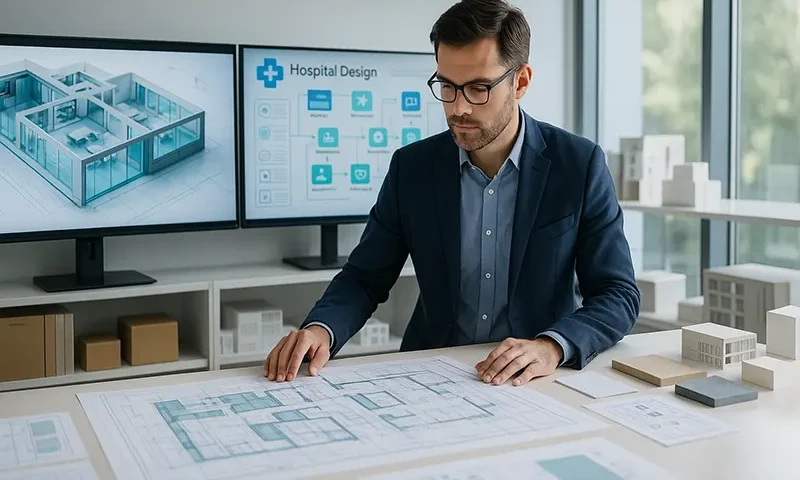
Healthcare facilities have always required meticulous planning, but the role of a healthcare architect has become increasingly critical in shaping spaces that are both functional and patient-centred. As medical technology evolves and patient expectations rise, architects specialising in healthcare are tasked with creating environments that support healing, efficiency, and sustainability.
Understanding the Healthcare Architect
A healthcare architect is not just an architect; they are a specialist in designing medical facilities. Their expertise spans hospitals, clinics, rehabilitation centres, and specialised care units. They must understand the unique requirements of healthcare delivery, from strict regulatory standards to workflow optimisation, ensuring that every square metre serves a purpose.
Their work balances technical needs with human experience. For example, designing a hospital wing requires knowledge of infection control, patient privacy, and medical equipment layouts, while also creating calming environments that reduce stress for patients and staff alike.
Key Responsibilities in Healthcare Design
Healthcare architects handle a range of responsibilities that go beyond standard architectural practice. These include:
- Planning Functional Layouts: Ensuring that the flow of patients, staff, and medical supplies is efficient, safe, and intuitive.
- Compliance with Regulations: Healthcare facilities are highly regulated. Architects must integrate guidelines for accessibility, fire safety, and hygiene standards.
- Incorporating Technology: Modern healthcare relies on advanced equipment and IT systems. Architects must accommodate these seamlessly within the design.
- Enhancing Patient Experience: The environment can impact recovery rates. Natural light, green spaces, and noise reduction are all design elements that a healthcare architect considers.
Sustainability in Healthcare Architecture
Sustainability has become a core consideration in all architectural fields, and healthcare is no exception. Hospitals and clinics consume vast amounts of energy, so designing energy-efficient systems and incorporating renewable materials is vital. A healthcare architect often works with engineers to integrate sustainable technologies such as solar panels, rainwater harvesting, and advanced ventilation systems, reducing the environmental footprint while improving patient comfort.
Designing for Flexibility and Adaptation
Healthcare needs are constantly evolving. The rise of telemedicine, outpatient care, and specialised treatment units means that hospitals cannot remain static. Healthcare architects design spaces with adaptability in mind, creating modular units that can be reconfigured as services expand or medical procedures change. This flexibility not only saves costs in the long term but also ensures that the facility can continue to meet patient needs efficiently.
The Human-Centred Approach
Patient-centric design has become a hallmark of modern healthcare architecture. A healthcare architect prioritises elements that enhance wellbeing, such as private rooms, accessible corridors, and communal spaces that encourage social interaction. These design choices improve patient satisfaction, reduce stress, and even contribute to faster recovery times.
Staff experience is equally important. Architects plan ergonomic workspaces, break areas, and safe movement paths for medical teams, recognising that a supportive environment is crucial for performance and retention.
Integration of Technology and Innovation
In recent years, healthcare architects have had to integrate emerging technologies into their designs. Smart building systems, advanced imaging suites, and robotic surgery rooms all require careful planning to ensure safety and efficiency. By anticipating future technological developments, architects can design hospitals that remain state-of-the-art for decades.
The Value of a Healthcare Architect in Project Planning
Engaging a healthcare architect early in the planning process can significantly impact the success of a project. Their expertise ensures that the building meets clinical requirements, adheres to regulations, and provides a healing environment for patients. They also collaborate with engineers, interior designers, and healthcare professionals to ensure every design decision aligns with practical needs.
For institutions looking to develop new facilities or upgrade existing ones, working with a specialised healthcare architect can result in a space that is both aesthetically pleasing and operationally effective. Their input can streamline workflows, reduce long-term operational costs, and create a facility that supports patient care for years to come.
Looking Ahead: The Future of Healthcare Architecture
The role of healthcare architects is likely to expand as medical care continues to evolve. Emerging trends such as patient-centred care, green building practices, and smart hospital technologies will shape the way facilities are designed. Architects will need to balance technological integration with human needs, ensuring that healthcare environments remain safe, functional, and comforting.
Ultimately, a healthcare architect is essential in bridging the gap between medical science and design. Their work transforms buildings into healing spaces, optimises operations, and contributes to the overall efficiency of healthcare delivery. As the demand for innovative, sustainable, and patient-focused healthcare facilities grows, the expertise of healthcare architects will become increasingly indispensable.
By prioritising flexibility, sustainability, and human-centred design, healthcare architects play a pivotal role in shaping the future of medical care, ensuring that hospitals and clinics are not only centres of treatment but also environments that foster wellbeing and recovery.
The continued evolution of the field highlights the importance of incorporating specialist knowledge into every stage of healthcare construction, making the involvement of a healthcare architect more critical than ever

