
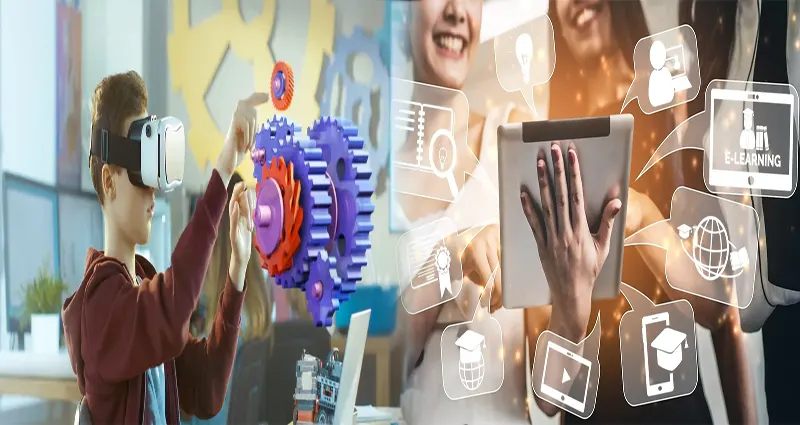
The internet has already revolutionized the field of education, making knowledge more accessible, interactive, and personalized. As technology continues to evolve, the future of education is poised to undergo further transformations that will significantly impact how we learn and teach. Here are some predictions for the internet’s role in shaping the future of education:
1. Personalized Learning Experiences
With advances in artificial intelligence and data analytics, the internet will enable more personalized learning experiences for students. Adaptive learning platforms powered by AI algorithms will tailor educational content to individual learning styles, preferences, and pace, providing students with customized learning paths that maximize their understanding and retention of knowledge.
2. Global Collaboration and Connectivity
The internet will continue to facilitate global collaboration and connectivity among students, educators, and experts from around the world. Virtual classrooms, online forums, and collaborative tools will enable seamless communication and knowledge sharing across geographical boundaries. This interconnectedness will enrich the educational experience by exposing learners to diverse perspectives and cultures.
3. Augmented and Virtual Reality Integration
Augmented reality (AR) and virtual reality (VR) technologies will play a significant role in transforming how educational content is delivered and experienced. Immersive learning environments created through AR and VR applications will enhance engagement and interactivity, allowing students to explore complex concepts, historical events, and scientific phenomena in a more interactive and hands-on manner.
4. Lifelong Learning Opportunities
The internet will democratize access to education and empower individuals to engage in lifelong learning experiences. Online learning platforms, Massive Open Online Courses (MOOCs), and digital libraries will provide learners of all ages with opportunities to acquire new skills, update their knowledge, and pursue continuous professional development. The flexibility afforded by online education will enable individuals to upskill and adapt to evolving job market demands.
5. Data-Driven Decision-Making in Education
The internet will enable educators and institutions to leverage data analytics and predictive modeling to make informed decisions about teaching strategies, student performance, and educational outcomes. By analyzing data on student interactions, engagement levels, and learning progress, educators can gain insights that inform instructional design, curriculum development, and personalized interventions to support student success.
As the internet continues to shape the future of education, we can expect to see a paradigm shift towards more personalized, connected, and immersive learning experiences. By embracing innovative technologies, promoting global collaboration, and fostering a culture of lifelong learning, the internet has the potential to revolutionize education and empower learners to thrive in an increasingly digital and interconnected world. The future of education is bright, with the internet serving as a catalyst for transformative change and endless possibilities in teaching and learning.

